
GROW IN ABUNDANCE: Grow Your Way Through Winter Colds
By Sommer Cartier, for Let’s Talk Plants! January 2026.

Grow Your Way Through Winter Colds - How your garden can double as a feel better toolkit
Winter has a way of sneaking up on us. One day it’s soup season, the next you’re reaching for tissues. The good news is your garden can do more than look pretty this time of year. With the right plants, it can support your immune system, soothe cold symptoms, and help you feel your best, all while giving you an excuse to get your hands in the dirt. Here’s how to turn your winter garden into a fun, flavorful, cold fighting powerhouse.
Start with the herbs that work overtime
If winter wellness had an all-star lineup, herbs would be at the top of the list. They’re easy to grow, quick to harvest, and incredibly useful when sniffles strike.

Ginger is a winter must-have. Grown in a container, it’s perfect for fresh tea and helps soothe sore throats while warming you from the inside out. Start with a firm piece of organic ginger from the grocery store and look for the small “eyes,” where new growth will emerge. Plant it shallow in a wide pot with well-draining soil, keeping the eyes facing up and just barely covered. Ginger loves warmth and bright, indirect light, so a sunny indoor spot or protected outdoor corner works well. Keep the soil consistently moist but never soggy and be patient. Ginger can take a few weeks to sprout. Once it does, it’s wonderfully low maintenance. You can harvest as needed by gently digging around the edges and snapping off a piece, letting the rest of the plant continue growing all winter long.
Thyme, oregano, and sage are true winter workhorses that earn their place in any wellness garden. All three have natural antibacterial properties and bring depth and comfort to soups, broths, and everyday meals -making everything feel a little more nourishing when cold season hits. These Mediterranean herbs thrive in full sun, well-draining soil, and prefer a lighter hand with watering. Start them from nursery plants and grow them in containers or raised beds where excess moisture can drain easily. Regular trimming keeps them compact, healthy, and productive all season.

Mint and parsley round out the winter herb garden with a different kind of support. Mint is especially helpful for sinus relief and is best grown in its own container since it loves to spread and prefers consistently moist soil. Parsley offers a fresh vitamin C boost and grows well from seed or nursery starts with regular watering and partial sun. Snip parsley from the outer stems to keep it producing steadily. Together, these herbs create a garden that shows up for you in meals, teas, and those moments when you need a little extra comfort.
Leafy greens: your quiet immune boosters
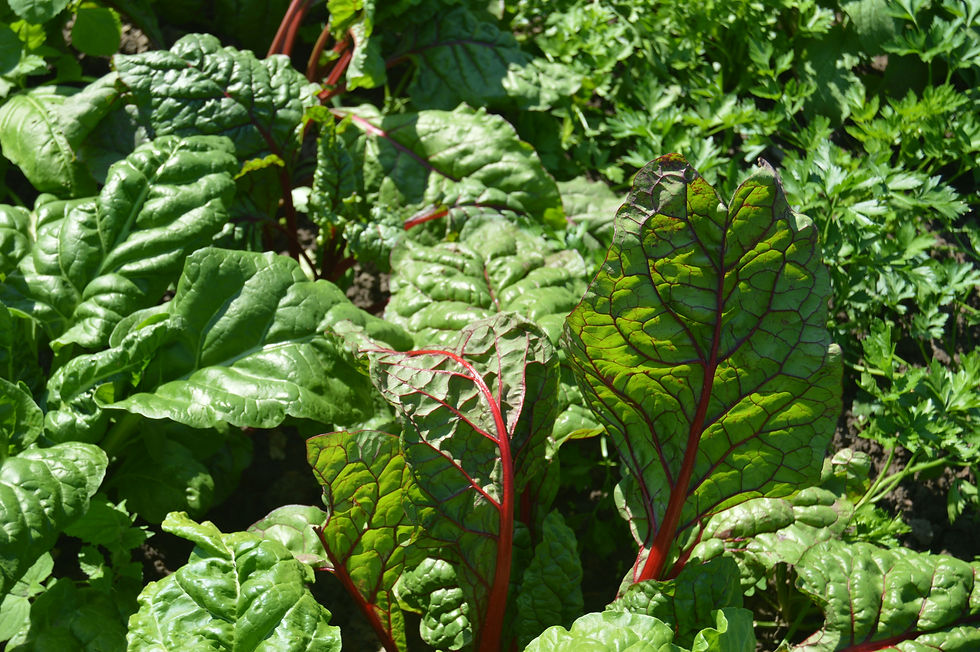
Winter greens are the unsung heroes of the season. They don’t demand much attention, but they show up in big ways when your body needs extra support. Kale, Swiss chard, and spinach thrive in cooler weather and are packed with vitamins A and C - key players in immune health. Even better, cold temperatures actually improve their flavor, making them sweeter and less bitter than in summer. Add them to soups, quick sautés, or smoothies, and you’re nourishing your body without overthinking it.
If you want to go deeper, I’ve shared more detailed guidance on these greens - their benefits, how to grow them, and easy ways to use them - in my previous article, Grow in Abundance: Drink Your Greens.

Garlic: small bulb, big energy
If you plant only one thing for winter wellness, make it garlic. It’s one of the strongest immune-supporting foods you can grow, and it’s incredibly low maintenance. Start with individual cloves (organic if possible), planting them pointed end up a couple of inches deep in well-draining soil during fall or winter. Space them out, water lightly, and let nature do the rest. Garlic loves sunshine, cool weather, and a steady watering routine.
As the season progresses, green shoots will appear, offering early “green garlic” you can snip and use just like green onions. By late spring, the bulbs will be ready to harvest, cure, and store for months. Pair garlic with onions, leeks, or green onions (all members of the same family) and you’ve created a reliable foundation for winter cooking and wellness that keeps giving long after the cold season passes.
The easiest “winter wellness” garden
Short on space? No problem. A small but mighty setup looks like this: garlic in the ground, kale and spinach in a bed or container, thyme and parsley in pots, and ginger tucked into a sunny corner. That’s it. With just these plants, you can make teas, soups, broths, and meals that support your body all winter long.

So, this season, don’t just brace for colds, grow through them. Your garden can be cozy, productive, and a little bit magical, even in winter.

Sommer Cartier
Master of Arts, International Development and Social Change
Clark University
